
Two Giants, Two Different Paths
In 2025, short-form video continues to dominate online culture. TikTok, Instagram Reels, and YouTube Shorts are no longer just entertainment they are marketing channels, learning platforms, and global community spaces. But behind every viral clip is an editor or a tool that shaped it.
Two names rise to the surface of the conversation: CapCut, the TikTok-native editor owned by ByteDance, and Reap, a fast-growing AI repurposing platform that turns long videos into ready-to-publish shorts. Both promise to simplify video editing, but their approaches couldn’t be more different. The debate around AI video editing in 2025 isn’t just about features it’s about workflows and scale.
This blog goes beyond surface features. We’ll look at how each tool fits into the creator economy, compare their strengths and weaknesses, and help you decide which one actually wins in 2025.
CapCut: The Creative Playground for TikTok
CapCut exploded because of one simple fact: it’s built by the same company that owns TikTok. This direct connection means it integrates seamlessly with the platform’s trends, effects, and audio library.
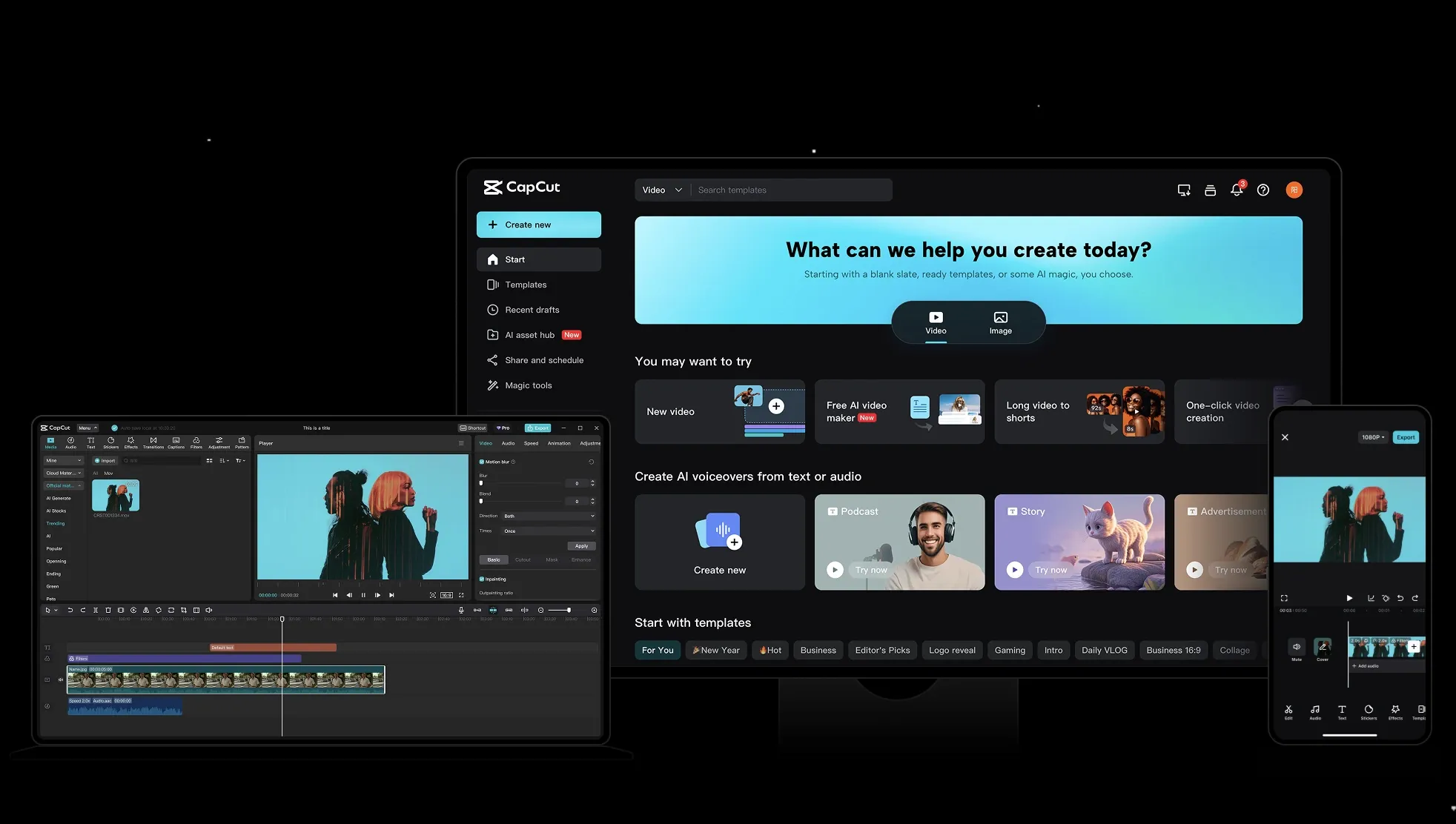
What CapCut offers creators:
- Templates: Thousands of trending video templates tied to TikTok memes.
- Mobile-first design: Optimized for editing on the go.
- Effects and transitions: Huge library for creative edits.
- Basic captions: Auto-caption feature for a handful of languages.
- Community sharing: Users share templates that can go viral on TikTok.
CapCut is, at its core, a creative playground. It empowers solo creators, especially younger audiences, to participate in trends quickly without needing editing expertise.
But here’s the catch: while CapCut shines at creative freedom, it isn’t built for scaling content or managing multi-platform workflows. That’s where Reap enters.
Reap: The Workflow Engine for Multi-Platform Creators
Reap approaches video editing from a different angle. Instead of focusing on trendy effects, it focuses on automation, scalability, and global reach. It’s designed for creators, educators, brands, and agencies who don’t just want to make one video they want to repurpose content across multiple channels and languages.
.webp)
What Reap delivers:
- AI Clipping: Turns long videos into short, platform-ready clips automatically.
- Captions in 100+ languages: With styled fonts, safe zones, and templates.
- AI Dubbing: 80+ voices in multiple languages.
- Smart reframing: Auto-detects faces and safe zones for 9:16, 1:1, 16:9.
- Scheduling: Built-in social calendar to publish directly to TikTok, Shorts, and Reels.
- API automation: Batch processing and integrations for agencies.
Instead of being a creative toy, Reap is an end-to-end workflow engine. It saves time, ensures brand consistency, and scales output far beyond what manual editing can handle.
Speed: Manual vs Automated
One of the most important factors in content creation is speed.
- CapCut: Even with templates, editing requires manual input. Cutting clips, styling captions, and exporting takes 15–30 minutes per Reel/Short.
- Reap: AI automation means clipping, captioning, and reframing happens in 2–5 minutes per video.
For a creator posting once a week, the difference may seem small. But for influencers and agencies handling dozens of videos, the time saved adds up to hours every week.
Captions and Accessibility
Captions are no longer optional. With most videos viewed on silent autoplay, captions are what stop the scroll.
- CapCut: Offers basic auto-captions in limited languages. Good enough for English-speaking audiences, but not reliable for global content.
- Reap: Provides captions in 100+ languages, customizable with fonts, colors, and safe zones. Dynamic word-by-word highlighting keeps viewers engaged.
For creators wanting to grow beyond a single region, Reap makes content globally accessible. We’ve already seen how Spanish captions on Shorts and Arabic captions on Reels can dramatically boost engagement.
Dubbing and Multilingual Reach
This is where the difference becomes dramatic.
- CapCut: No dubbing support. Creators must rely on third-party tools.
- Reap: Built-in AI dubbing in 80+ languages. Creators can instantly localize videos for Spanish, Arabic, Indonesian, Hindi, and more.
This makes Reap a game-changer for brands and influencers targeting international audiences.
Reframing and Platform Optimization
Each platform has its quirks. A clip that looks perfect on TikTok may crop badly on YouTube Shorts.
- CapCut: Allows manual cropping, but no AI assistance for safe zones.
- Reap: Automatically reframes for 9:16, 1:1, and 16:9, detecting faces and avoiding UI overlaps.
For professional distribution, automation saves mistakes and ensures consistency.
Scheduling and Publishing
This is where Reap truly sets itself apart.
- CapCut: No scheduling or cross-platform publishing. Creators must export and upload manually.
- Reap: Includes a social calendar with direct publishing to TikTok, Shorts, and Reels. Agencies can plan weeks of content at once.
For scaling operations, this feature alone makes Reap more powerful.
Templates and Creativity
Here’s where CapCut shines.
- CapCut: Thousands of community-driven templates, trending filters, and effects. Perfect for creators who want to participate in memes.
- Reap: Focused on brand kits and professional templates. Less variety in flashy transitions, more consistency for businesses and educators.
Many tools in our Best AI Clipping Tools 2025 roundup lean heavily on templates, but few handle automation at scale.
Scalability for Teams and Agencies
- CapCut: Designed for solo creators. Scaling multiple accounts or clients is difficult.
- Reap: Designed with agencies in mind. Features like batch processing, API automation, and scheduling make it possible to manage dozens of clients.
Agencies use the Reap API to process dozens of client videos at once.
Pricing and ROI
- CapCut: Free basic version, Pro upgrade for advanced effects. Perfect for casual creators.
- Reap: Paid subscription, but includes advanced features like multilingual captions, dubbing, reframing, and publishing.
For hobbyists, CapCut is cheaper. For professionals and agencies, Reap delivers more ROI.
Comparison Table
| Aspect | CapCut | Reap |
|---|---|---|
| Speed | Manual edits, 15–30 mins per clip | AI automation, 2–5 mins per clip |
| Captions | Basic, limited languages | 100+ languages, styled captions |
| Dubbing | None | 80+ voices, multilingual dubbing |
| Reframing | Manual cropping | AI safe-zone reframing |
| Scheduling | Not available | Built-in social calendar |
| Templates | Creative TikTok templates | Brand kits, professional templates |
| Scalability | Best for solo creators | Built for agencies & teams |
| Pricing | Free/Pro tiers | Paid, higher ROI for pros |
Who Should Use CapCut?
- Solo TikTok creators who want to experiment with trends.
- Users who value effects and templates more than automation.
- Beginners who need a free, mobile-first editing app.
Who Should Use Reap?
- Creators who want speed and efficiency over flashy effects.
- Influencers looking to grow internationally with captions and dubbing.
- Agencies managing multiple clients who need automation.
- Educators, podcasters, and coaches repurposing long content.
Final Verdict: CapCut vs Reap
If you’re a hobbyist TikTok creator chasing trends, CapCut is a fantastic tool. It’s fun, free, and tied to TikTok’s ecosystem.
But if you’re serious about growth, manage multiple platforms, or want to reach global audiences, Reap is the clear winner in 2025. It transforms editing from a manual task into an automated workflow engine. If you’re still considering alternatives, see how Reap compares head-to-head in our Reap vs OpusClip breakdown.
Try Reap free and see how much faster you can clip, caption, dub, and publish your videos.
.webp)